Why Profitability in Cleaning Depends on Niche, Skill, and Scale
The cleaning industry spans everything from basic residential housekeeping to highly specialized commercial services. While residential work often provides steady demand and predictable scheduling, it typically operates on tighter margins. Specialty services—especially those that require certifications, specialized equipment, or regulatory compliance—tend to command higher rates and offer greater income potential. Industry reports show that many traditional cleaning companies operate with net profit margins of 10% to 15%. In contrast, well-managed specialty services can outperform those benchmarks, particularly when pricing discipline and operational efficiency are in place. To determine which services drive profit, you need to evaluate more than demand alone. Hourly rates, annual revenue capacity, labor intensity, equipment costs, risk exposure, and compliance requirements all shape whether a niche simply keeps you busy—or builds meaningful profit.Comparing Profit Potential Across Top Cleaning Niches
Profit varies widely depending on the focus area, pricing structure, and level of specialization. The breakdown below highlights estimated annual profit ranges alongside typical hourly rates across major cleaning segments, based on aggregated industry reporting and performance benchmarks.| Cleaning Service Type | Annual Carpet Cleaning Business Profits | Typical Hourly Rate |
|---|---|---|
| Post-Construction Cleaning | $45,500–$136,500 | $25–$75 |
| Commercial Kitchen Cleaning Hoods | $245,700–$382,200 | $135–$210 |
| Medical Facility Cleaning | $72,800–$100,100 | $40–$55 |
| High Rise Window Washing | $91,000–$309,400 | $50–$170 |
| Air Duct Cleaning | $163,800–$227,500 | $90–$125 |
| Carpet & Floor Cleaning | $109,200–$182,000 | $60–$100 |
| Janitorial/Home/Office Cleaning | $43,680–$72,800 | $24–$40 |
| Area Rug Cleaning | $45,500–$136,500 | $25–$75 |
These projections assume an average of 35 billable hours per week. Actual results depend on pricing structure, client mix, contract size, service frequency, labor efficiency, and overhead control.
Even with those variables, one trend stands out: specialty cleaning services consistently support higher hourly rates and stronger annual revenue potential than general residential work.
How Different Cleaning Businesses Stack Up
If you’re evaluating options like dryer vent cleaning, carpet and floor care, medical facility contracts, or high-rise window washing, hourly pricing alone won’t give you the full financial picture.
Here’s a closer look at each service market, including the advantages, trade-offs, and financial factors that determine long-term earning potential:
Post-Construction Cleaning
Post-construction cleaning is a project-based niche tied closely to local building activity. Unlike recurring residential services, revenue depends on securing contracts with builders and general contractors rather than maintaining weekly client schedules.
Pros:
- Bigger payouts per project compared to routine residential cleaning
- Opportunity to build repeat partnerships with contractors and developers
- Defined scope of work with clear completion deadlines
Cons:
- Revenue fluctuates with construction cycles and local development trends
- Requires equipment, reliable transportation, and job site safety awareness
- Physically demanding work often performed under tight timelines
With consistent contractor partnerships and efficient job execution, this field can support profit margins of 30% to 40%.
Commercial Kitchen and Hood Cleaning
Commercial kitchen and hood cleaning is driven by regulation. Restaurants, hotels, schools, and institutional kitchens must schedule routine hood and exhaust system cleanings to comply with fire codes and health standards. That mandatory service cycle creates predictable, recurring demand—and supports higher pricing than general janitorial work.
Pros:
- Recurring revenue tied to fire and health code compliance
- Greater ticket value compared to standard cleaning contracts
- Reduced competition due to training, certification, and equipment requirements
Cons:
- Frequently scheduled overnight or outside normal business hours
- Grease-heavy, physically demanding work environment
- Requires specialized equipment and compliant waste disposal practices
For business owners willing to manage working conditions and scheduling demands, this area offers structured repeat business, dependable revenue, and strong long-term stability.
Medical Facility Cleaning
Hospitals, outpatient clinics, surgical centers, and laboratories must follow strict sanitation and infection-control protocols. Because patient safety and regulatory compliance are at stake, clients are willing to pay advanced rates for trained, reliable crews. With consistent contract volume and disciplined operations, experienced operators can generate $72,000 or more in annual profit.
Pros:
- Premium pricing tied to infection-control standards
- Multi-year contracts are common in healthcare environments
- Stable demand from facilities that operate year-round
Cons:
- Required OSHA and bloodborne pathogen training
- Extensive documentation, audits, and compliance oversight
- Increased insurance coverage and liability exposure
Although hourly rates may not always match the highest-paying focus areas, disciplined staffing and operational efficiency can yield gross margins approaching 85% in well-managed operations—making healthcare cleaning one of the more financially stable and scalable sectors in the industry.
High-Rise Window Washing
High-rise window washing ranks among the most specialized sub-services in the cleaning industry. Crews servicing multi-story commercial properties often charge between $50 and $170 per hour, reflecting the advanced training, safety compliance, and specialized equipment required for elevated work.
Pros:
- Higher hourly rates than most general cleaning services
- Reduced competition due to certification and equipment barriers
- Profit margins can reach around 25% with efficient crew and route management
Cons:
- Mandatory safety certifications and specialized rigging systems
- Elevated liability exposure and insurance premiums
- Weather conditions and building access can disrupt scheduling
While the operational risks and logistical demands are significant, the revenue potential is equally strong for companies that maintain strict safety standards and manage crews efficiently.
Air Duct Cleaning
Air duct cleaning centers on removing debris from HVAC systems to improve airflow and indoor air quality. Because the work requires specialized equipment, technical training, and an understanding of ventilation systems, it commands higher rates than general residential cleaning.
Pros:
- Can be bundled with HVAC maintenance or dryer vent cleaning services
- Bigger average ticket size than standard janitorial jobs
- Efficient operations can generate $3,000–$5,000 in weekly revenue
Cons:
- Revenue may fluctuate with seasonal HVAC demand
- Equipment costs are more than entry-level cleaning models
- Market demand depends on local housing stock and climate conditions
With strong booking volume and disciplined pricing, annual earnings can approach $250,000—placing air duct cleaning among the stronger revenue-generating sectors in the industry.
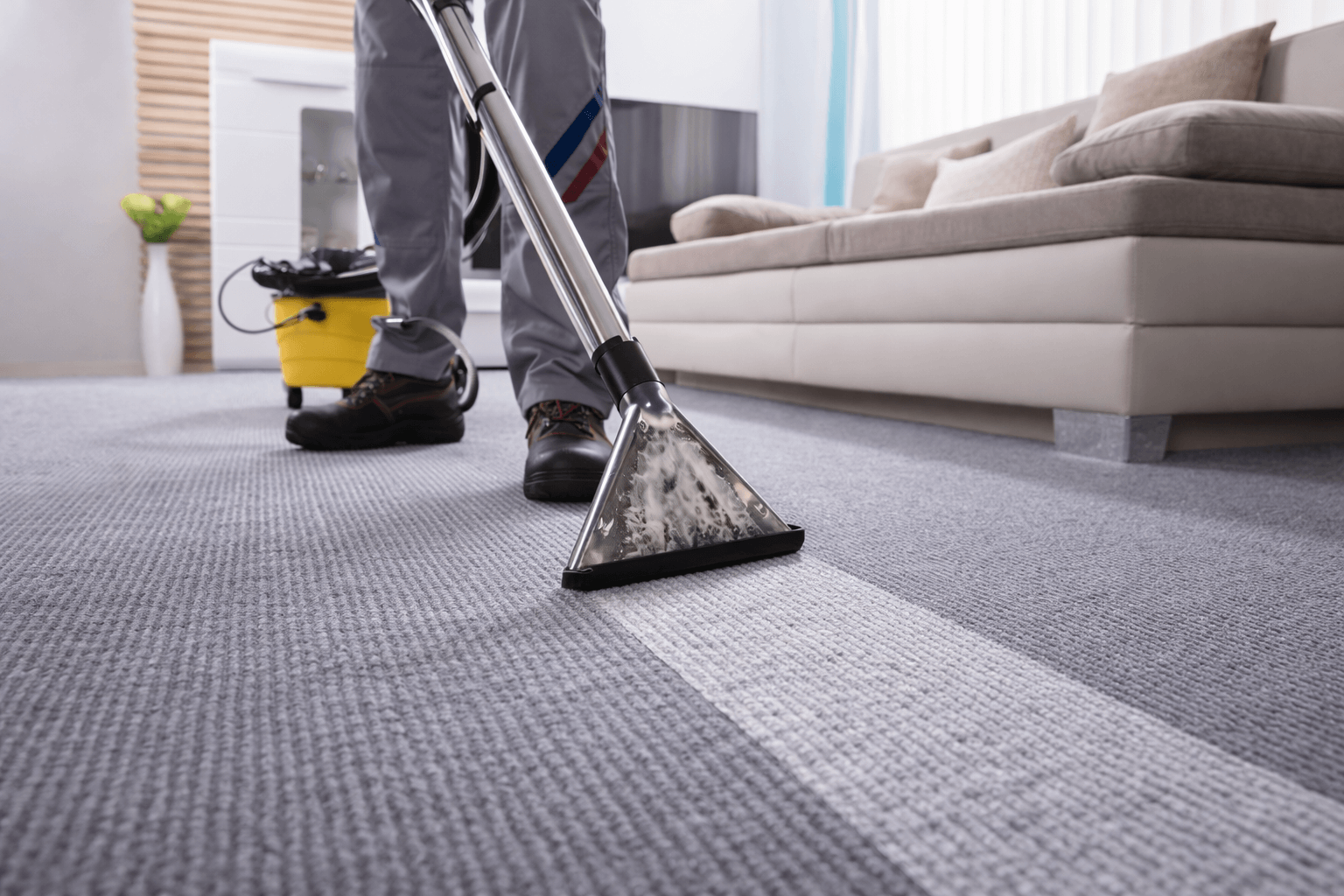
Carpet & Floor Cleaning
Carpet and floor cleaning is one of the more established categories in the industry. Well-run operations frequently report profit margins beginning around 40%, with some exceeding 50% once equipment costs are paid down and booking schedules remain full.
Pros:
- Strong margin potential and low startup costs
- Ability to increase ticket size through tile, grout, and area rug add-on services
- Recurring residential and commercial client opportunities
Cons:
- Competitive local markets in many regions
- Equipment purchase, maintenance, and replacement costs
- Revenue is dependent on consistent marketing and repeat business
When you keep your schedule full and offer add-on services, carpet and floor cleaning can generate steady profits and grow into a reliable, long-term business.
General Janitorial Cleaning (Home/Office)
Residential and small office cleaning is the most common entry point into the industry. It’s straightforward to start, and most businesses report profit margins of 10% to 28%, depending on how well they manage labor and pricing.
Pros:
- Low startup costs with minimal equipment needs
- Recurring weekly or biweekly client schedules
- Simple service model that is easy to launch
Cons:
- Intense price competition in many local markets
- Labor costs can reduce margins
- Growing revenue often requires hiring and managing a team
Although it’s the easiest area to get started in, long-term profitability depends on keeping schedules full, pricing jobs correctly, and maintaining firm control over labor costs.
Area Rug Cleaning
Area rug cleaning can operate as a standalone specialty or an add-on to carpet and floor services. Because rugs often require delicate handling, off-site washing, and extended drying time, pricing typically runs more per square foot ($2 to $8) than standard in-home carpet cleaning.
Pros:
- Higher pricing for specialty fibers and handwoven rugs
- Strong upsell opportunity for existing carpet and floor clients
- Less direct price competition than general residential cleaning
Cons:
- Requires dedicated washing, drying, and storage space
- Risk of damage when handling delicate or antique rugs
- Slower turnaround compared to standard in-home carpet jobs
When positioned as a specialty service, area rug cleaning can increase revenue per customer while differentiating your business from basic carpet providers.
Start Building a More Profitable Cleaning Business
Commercial cleaning profitability depends on choosing services that balance startup costs with long-term earning potential. Specialized services—like dryer vent and air duct cleaning—often support advanced pricing because they require equipment, technical knowledge, and compliance awareness.
With DryMaster Systems, you don’t have to build those capabilities from scratch. Our DryMaster affiliate options reduce upfront equipment costs and give you the tools to launch efficiently—so you can enter higher-paying services faster and expand with add-on services that increase what each client spends.
FAQs
What cleaning business has the highest profit margins?
Commercial kitchen hood cleaning often ranks among the most profitable markets, with many operators earning six-figure annual incomes. Regular fire code requirements create steady demand, and restaurants pay premium rates for trained, certified crews.
What are the weaknesses of a cleaning business?
Common weaknesses include high labor costs, scheduling inefficiencies, customer retention challenges, and price competition, particularly in residential markets.
Which cleaning business requires the least startup capital?
Carpet cleaning is one of the lowest-capital specialty cleaning services, with starter equipment packages available for as low as $2,030.
What is the 80/20 rule for cleaning?
In a cleaning business, the 80/20 rule means that about 80% of your profits usually come from 20% of your clients—often larger commercial accounts or loyal customers who pay premium rates.
Is carpet cleaning still profitable compared to specialized services?
Yes. With a smart startup strategy and well-run operations, it can produce 40–50% profit margins and generate revenue comparable to specialized niches.